
Container Transport
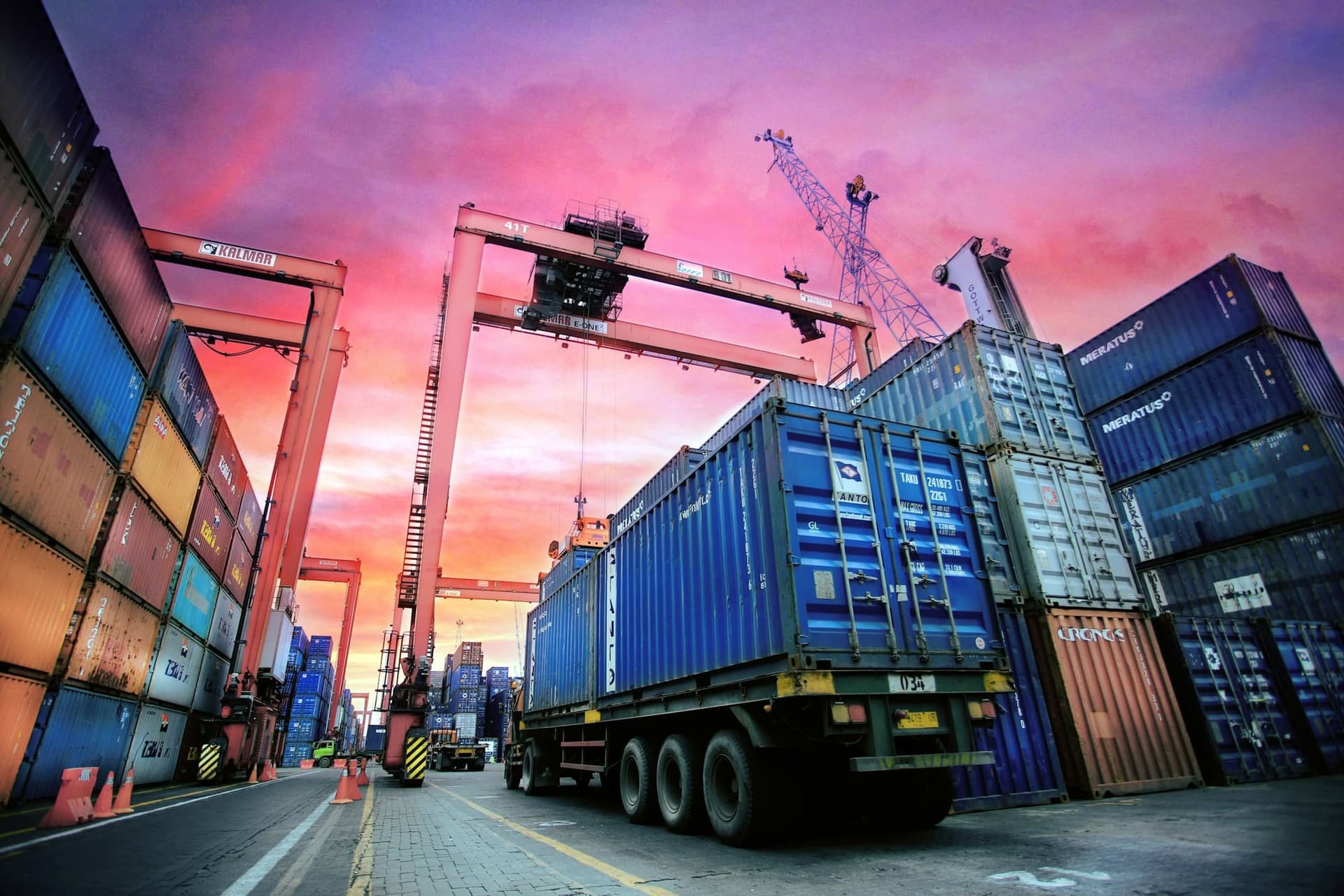
Road cartage for shipping containers between terminals, container parks and your premises.
Explore container transport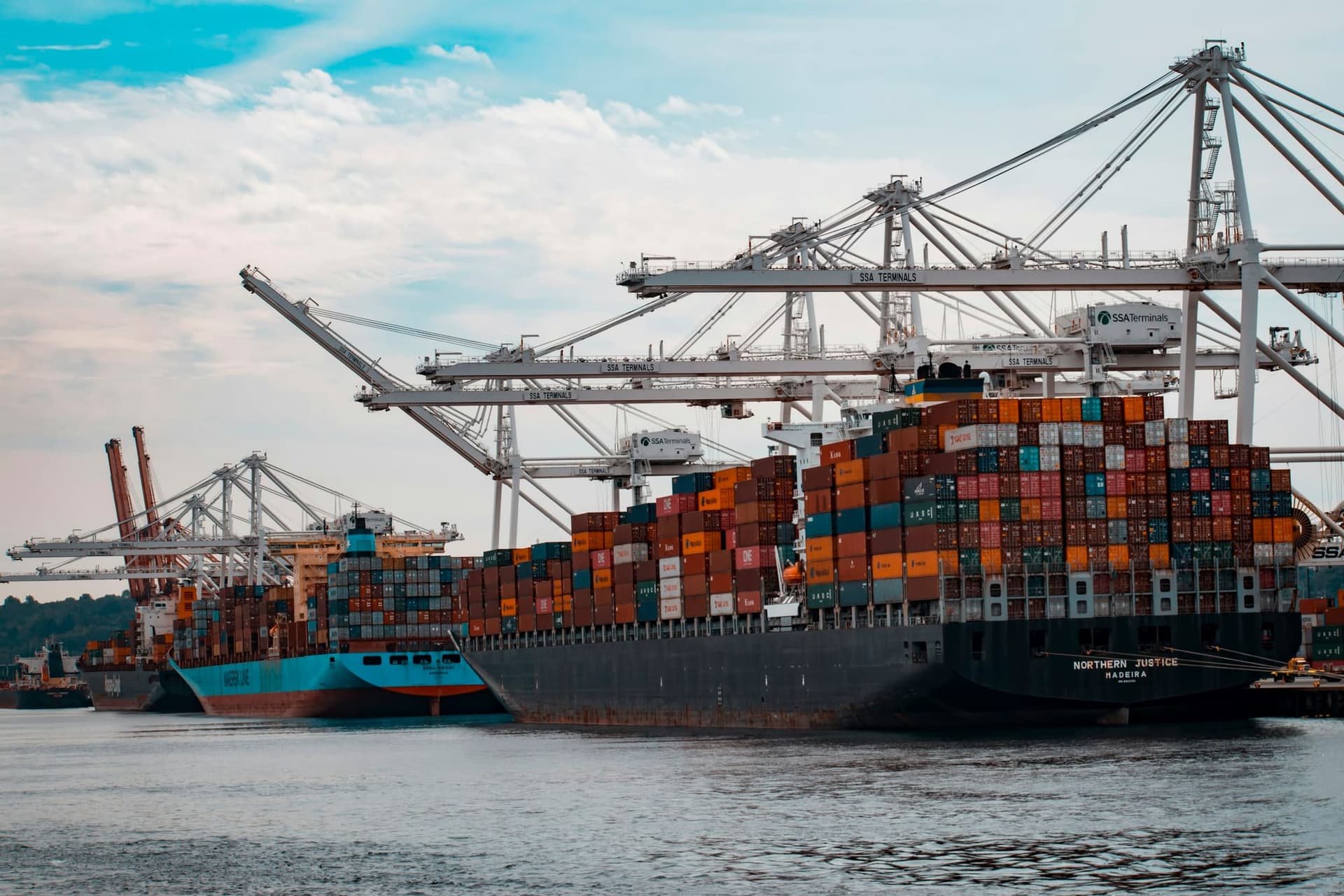
International freight
Moving goods into or out of Australia by air or sea. Tell us what you're shipping, where it's coming from or going to, and how soon it needs to arrive.
Overview
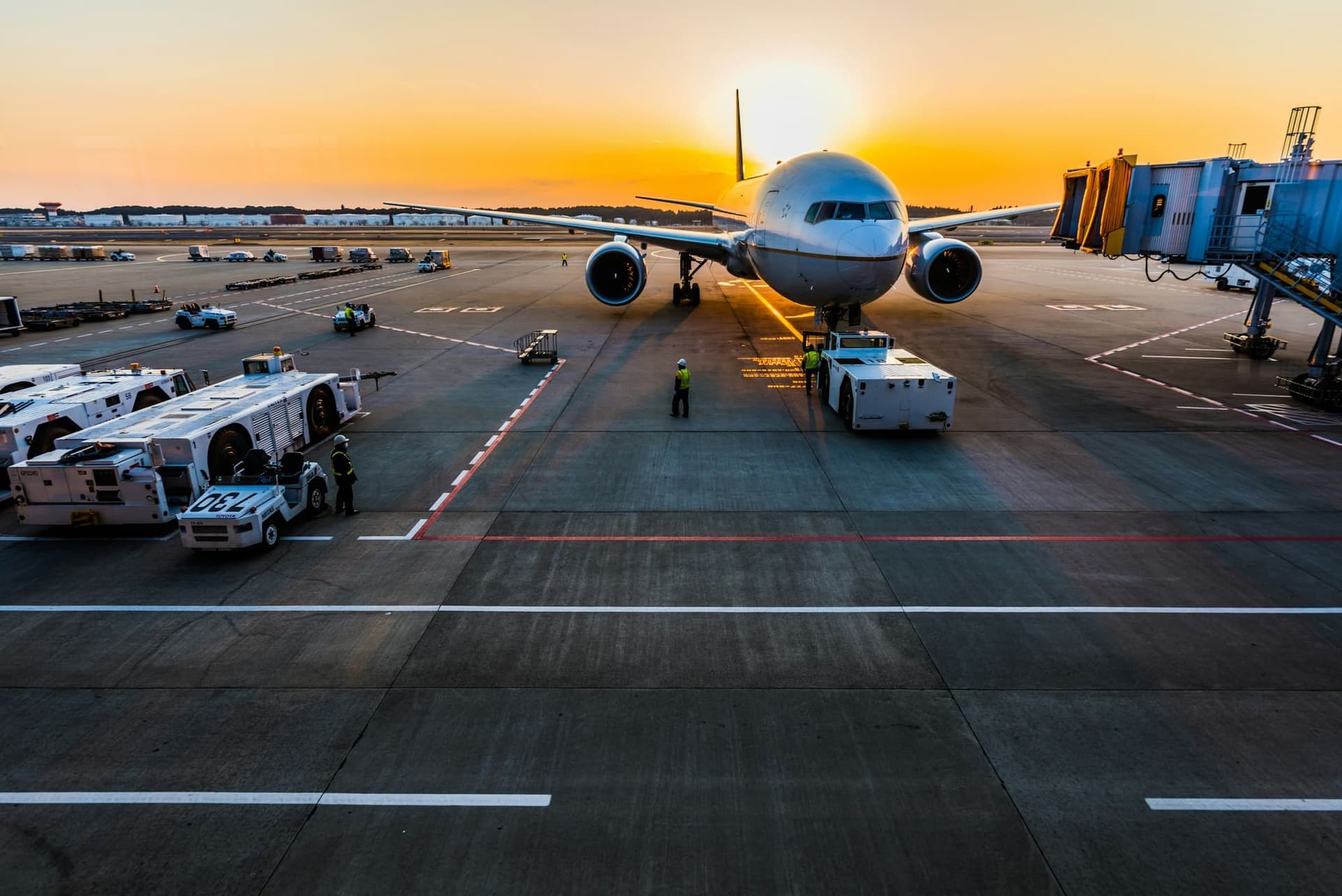
International freight usually comes down to a trade-off between speed and cost. Air freight is the faster option and tends to suit urgent, high-value or smaller consignments. Ocean freight sea freight takes longer, but is usually far more economical for larger or heavier shipments.
Sea shipments generally travel either as a full container load (FCL), where your goods have a container to themselves, or as less than container load (LCL), where your freight shares container space with other shipments. Which makes sense depends on volume, budget and timing.
Arrival isn't the end of the job. Freight still has to get from the port or airport to wherever it's needed. Because we also provide container transport, warehousing and domestic transport, the international leg and what happens after it lands can be quoted and planned together.
Who it's for
Bringing stock or materials in from overseas suppliers.
Sending goods to customers or partners outside Australia.
Consignments that can't wait for a sea voyage.
Moving from occasional overseas orders to regular shipments.
How we work
Tell us your deadline and budget and we'll talk through which option fits.
Container transport, storage or onward delivery can be included in the same quote.
Call or email us directly with questions about your shipment.
The process
Request a quote online or call 0461 400 107 with the freight details, pickup and delivery points, and your timing.
We look at the load, the route, access at each end and your deadline and check with you if anything needs clarifying.
A clear price for the job as described, so you know where you stand before anything is booked.
Once you accept, pickup times, delivery details and site contacts are confirmed.
Your freight is collected and delivered as booked. Questions along the way? Call us directly.
Why it helps
Understand the speed and cost trade-off before you commit to air or sea.
The international leg and the local leg can be arranged together.
Quotes are based on when your goods are ready and when they're needed.
FAQ
More answers on our frequently asked questions page.
It depends on how urgent the shipment is, its size and weight, and your budget. Air freight is faster and suits smaller, urgent or high-value consignments. Sea freight takes longer but is usually much more cost-effective for larger or heavier shipments. If you're not sure, ask us to quote both.
FCL (full container load) means your goods have a shipping container to themselves. LCL (less than container load) means your freight shares container space with other shipments. FCL is often better value once you have enough freight to fill most of a container; LCL suits smaller volumes.
Incoterms are internationally recognised trade terms such as EXW, FOB and CIF that set out which parts of the journey the buyer and seller are each responsible for. Knowing them tells us which legs of the shipment you need quoted.
Origin and destination, a description of the goods, quantity, dimensions and weight, your ready date and required arrival date, and any agreed Incoterms. Let us know if you'll also need delivery or storage once the freight arrives.
Related services
Road cartage for shipping containers between terminals, container parks and your premises.
Explore container transport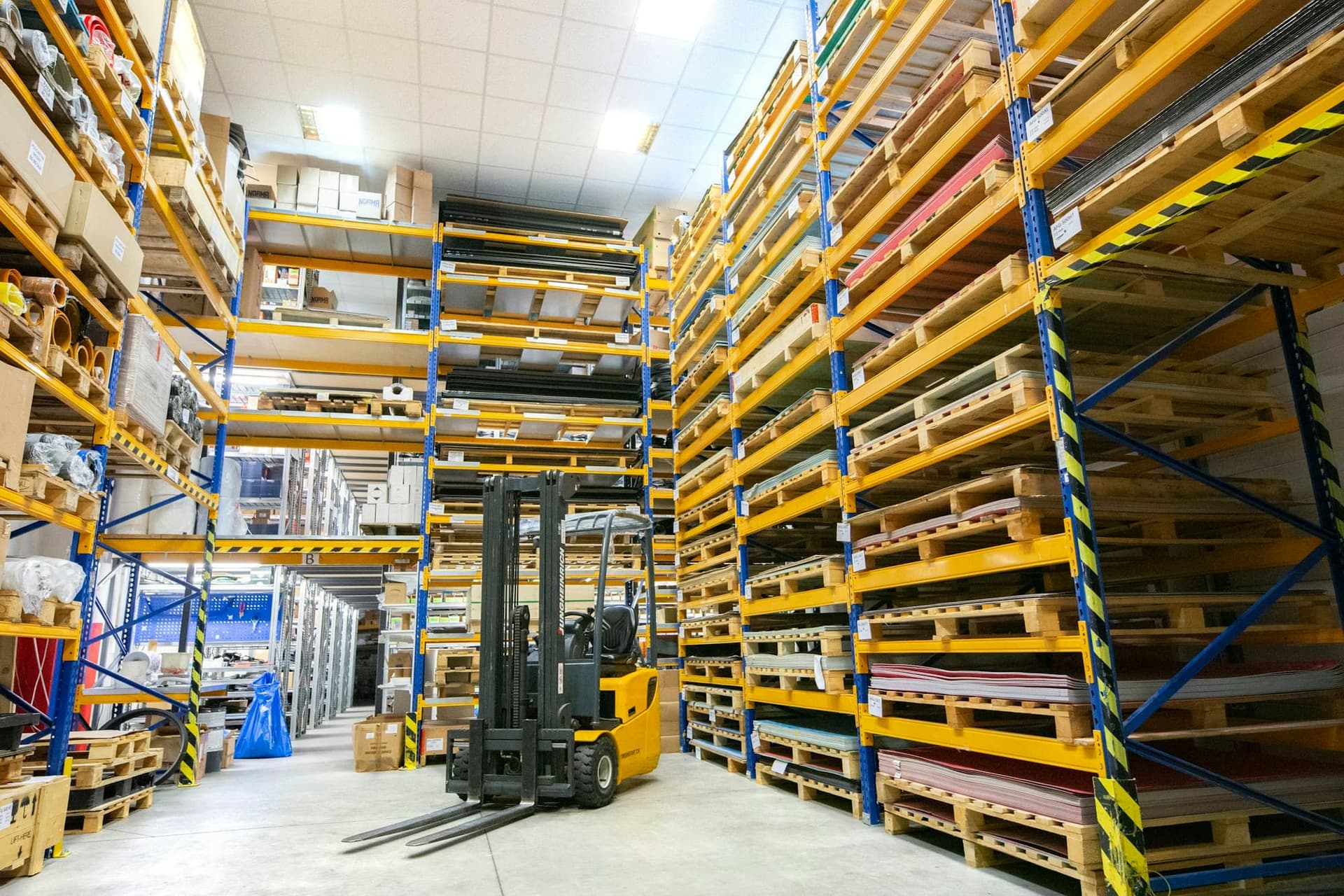
Storage for freight between arrival and delivery, arranged together with transport in and out.
Explore warehousing
Road freight between Australian pickup and delivery points, quoted around your load and timing.
Explore domestic transport
Send us the details and we'll come back with a quote for the job.